PH calls on ASEAN to activate fuel-sharing pact, explore joint oil stockpiling
- April 15, 2026
- 0
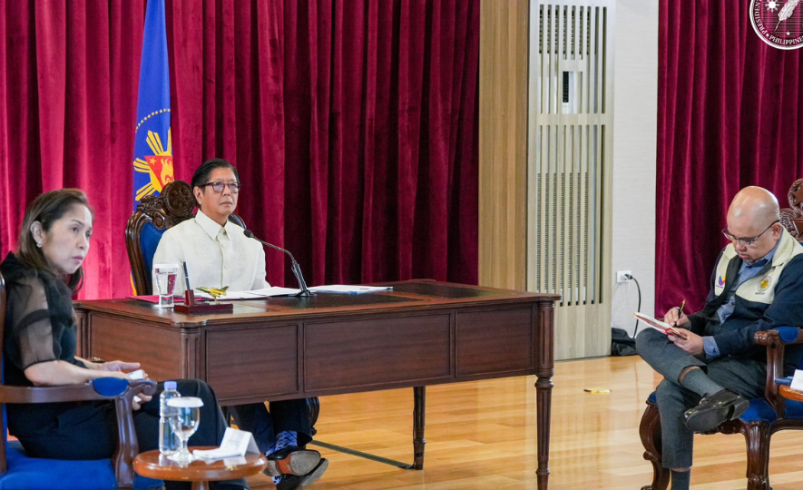
Philippine President Ferdinand Marcos Jr. has called for the activation of ASEAN’s emergency petroleum-sharing mechanism and proposed regional joint oil stockpiling as Asia faces renewed risks to fuel supply chains.
Marcos made the appeal today during the Asia Zero Emission Community (AZEC) Plus Online Summit hosted by Japanese Prime Minister Sanae Takaichi.
“In his intervention, the President called for the activation of ASEAN’s emergency petroleum-sharing mechanism and proposed regional joint oil stockpiling to address disruptions caused by the Strait of Hormuz closure,” the Presidential Communications Office (PCO) said.

The proposal comes as geopolitical tensions continue to threaten key maritime routes used for oil shipments into Asia, exposing vulnerabilities in import-dependent economies.
Marcos’ call revives attention to the ASEAN Petroleum Security Agreement (APSA), a 1986 regional framework designed to enable government-to-government fuel coordination during supply disruptions but rarely tested in actual crisis conditions.
“It should be tested now, while the crisis is live and the lessons are immediate,” the President said. He added that the Philippines is prepared to host or co-chair the first full-scale APSA emergency simulation exercise.
In earlier reporting by Power Philippines, energy stakeholders noted that APSA remains largely unimplemented in practice despite its intended emergency function.
Atty. Jay Layug of the Philippine Energy Research and Policy Institute said the mechanism could allow ASEAN members such as Brunei and Indonesia to provide oil during supply stress through government-to-government arrangements. He also stressed the need for clear activation thresholds and contingency planning, including possible rationing scenarios and expanded storage infrastructure.
At the AZEC summit, President Marcos also proposed a regional study on joint oil stockpiling, alongside domestic efforts to build strategic petroleum reserves and tighten minimum fuel inventory requirements.
He called for stricter fuel security rules, including raising mandatory petroleum stockpiles to 30 days from 15 days, and increasing liquefied petroleum gas (LPG) reserves to 21 days from seven days.
The AZEC Plus platform has emerged as a venue for aligning energy transition goals with energy security concerns, as volatility in global oil markets persists.
The President said the Philippines is pursuing a risk-calibrated oil procurement strategy to reduce reliance on Middle East supply routes and vulnerable maritime chokepoints, and reaffirmed the country’s commitment to strengthen long-term energy security and crisis resilience.
Should ASEAN move beyond policy frameworks and finally operationalize fuel-sharing mechanisms like APSA?
Follow Power Philippines on Facebook and LinkedIn or join our Viber community for more updates.