Rising fuel prices drive surge in EV demand, but supply and infrastructure gaps remain
- June 10, 2026
- 0
Rising fuel prices linked to tensions in the Middle East have triggered a sharp increase in interest in electric vehicles (EVs) across the Philippines, prompting consumers and businesses to explore alternatives to gasoline and diesel-powered transport. But industry experts warned that supply shortages, limited charging infrastructure, and financing hurdles could slow adoption.
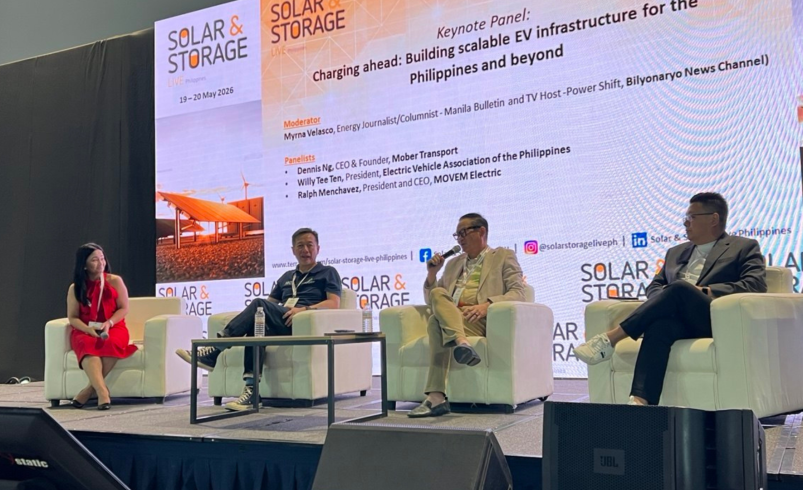
At a recent panel discussion during the Solar and Storage Live Philippines 2026, Electric Vehicle Association of the Philippines (EVAP) President Willy Tee Ten noted that Filipinos’ interest in EVs has surged since mid-March, with many asking about all types, including battery electric vehicles, plug-in hybrids, and hybrids.
However, Tee Ten said the sudden demand has outpaced supply, causing delivery delays of several months.

“Nobody knew that there was going to be a huge demand, so walang supply. The supply was just enough in pre-war times,” he said.
[Nobody knew that there was going to be a huge demand, so there’s no supply. The supply was just enough in pre-war times.]
Dennis Ng, chief executive officer (CEO) and founder of Mober Transport, also noted a surge in commercial EV demand, with many logistics companies exploring electric vehicles for cost savings.
But commercial EVs, he said, remain more expensive than conventional vehicles, and payback periods range from 2.5 to 3 years depending on battery size.
“The challenge in our industry is that there’s no commercial bank that is willing to finance commercial EV because it’s very new to them, ang mahal pa,” Ng shared.
[The challenge in our industry is that there’s no commercial bank that is willing to finance commercial EV because it’s very new to them and still expensive.]
Concerns about infra and grid readiness
Panelists also discussed whether the Philippines’ power grid and infrastructure can support growing EV adoption despite recurring blackouts and natural disasters.
According to Movem Electric President and CEO Ralph Menchavez, planning EV infrastructure isn’t just about building chargers.
For Movem, the electric mobility arm of Meralco, they first need to know where consumers will charge, whether it be at homes, offices, or commercial areas, so they can upgrade substations, transformers, and install smart systems to monitor electricity demand.
“Electric vehicles are high-capacity and intermittent,” Menchazed emphasized.
“May isa lang mag-charge dyan, magbabago na yung demand ng bahay, or sa isang building marami mag-charge, tataas agad yung demand ng building,” he explained, adding that utilities must be coordinated with charging locations to make sure there’s enough capacity.
[If just one person charges there, the electricity demand of the house will already change, and if many people charge in a building, the building’s overall power demand will immediately increase]
For Ng’s part, he said they cannot wait for public infrastructure and instead built their own EV charging hubs.
He shared that Mober has a 4,000-square-meter hub in Pasay and is planning a bigger 10,000-square-meter charging hub late this year for commercial use. They also plan to add solar panels to supplement power.
“We’re building it somewhere in the south so that all our trucks will go back there and charge. We’re getting ready because we’re bringing in around 10 units of tractor head EV, so imagine how much power we need there,” said Ng.
He explained that Mober needs to choose properties where Meralco can quickly provide power, because without existing grid access, they would have to invest heavily in cabling, a major challenge for setting up their EV infrastructure.
A call for simultaneous buildout of EVs and charging infra
The panelists believe range anxiety and slow EV adoption are largely caused by the lack of reliable charging stations, making buyers and businesses hesitant to switch.
Tee Ten said this hesitation is driven by a “wait-and-see” mindset, where buyers wait for more chargers, while companies wait for more EV demand before investing in infrastructure.
He argued that this cycle must stop, especially since fuel prices are already high and unlikely to return to previous levels, which makes EVs more practical and cost-saving.
“I’ve said to Ralph also that huwag na natin hintayin na lumakas yung benta because by next month, ang dami nang bibili ng electric vehicles, so ang dami nang magcha-charge. So, I hope that Meralco will be ready for that,” Tee Ten said.
[I also told Ralph that we should not wait for sales to increase, because by next month, many people will already be buying electric vehicles and charging them. So, I hope Meralco will be ready for that.]
Menchavez agreed, saying that they have been preparing for expected EV demand growth since 2024, which increased due to the oil crisis.
The EV market, he explained, is still in its early stages, with only about 60,000 EVs out of 15 million total vehicles registered last year. But commercial fleet owners are also shifting to EVs because they see it as a more stable and sustainable option for the future.
Menchavez said they are taking a proactive approach in building EV charging stations, including identifying where potential EV users are, such as condos, townships, and offices, to better plan and coordinate where charging infrastructure should be placed.
Follow Power Philippines on Facebook and LinkedIn or join our Viber community for more news and updates on the Philippine energy sector.