PH seeks renewed US waiver to boost Russian oil imports
- April 15, 2026
- 0
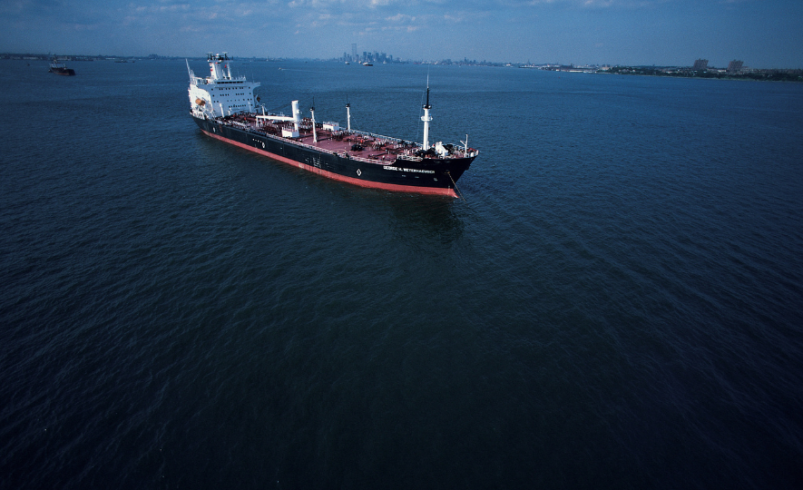
The Philippines is seeking a fresh sanctions waiver from the United States to allow continued imports of Russian crude and petroleum products, as supply disruptions tied to escalating geopolitical tensions strain domestic fuel markets.
Energy Secretary Sharon Garin said the Department of Energy (DOE), in coordination with the Department of Foreign Affairs, has formally relayed the request through Philippine diplomatic channels in Washington.
“We are awaiting their response, but we are very positive on getting this other window,” Garin said.

The move comes after a temporary easing of US sanctions allowed limited purchases of Russian oil already in transit until April 11, a measure aimed at stabilizing global energy markets following the effective closure of the Strait of Hormuz.
Roughly 30% of the Philippines’ crude imports pass through the Strait of Hormuz, a key chokepoint in global oil trade. The remainder of the country’s fuel supply is sourced from Asian refiners that are likewise dependent on Middle Eastern crude.
This concentration risk has intensified supply constraints, contributing to a doubling of domestic pump prices for diesel and other key petroleum products.
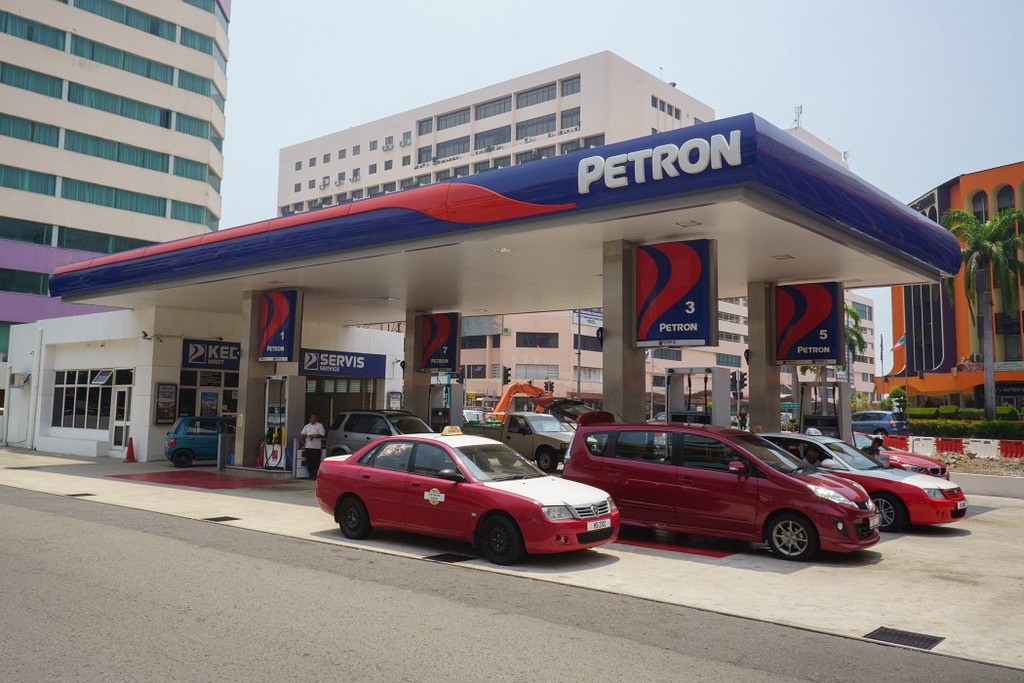
Petron, the country’s sole oil refinery, secured nearly 2.5 million barrels of crude last month, after at least 4 million barrels in shipments were canceled since the onset of the US-Israeli war on Iran.
Garin said the government is simultaneously pursuing supply diversification strategies should the waiver request not be granted.
If additional Russian volumes are not secured, the Philippines may turn to alternative suppliers such as Colombia, the United States, and Canada. While these sources provide different crude grades, Garin noted that “we can still use their refined products.”
The DOE is also exploring nearer supply options, including Brunei and India, as part of efforts to reduce logistical risks and exposure to Middle East supply routes.
“We wanted to open the Russian window but we want more options. We need diversification so that we are not dependent on only one country,” Garin said.
The Philippines currently maintains around 50 days’ worth of petroleum supply, according to the DOE.
The urgency of securing additional supply has increased following the US announcement of a naval blockade of the Strait of Hormuz after failed negotiations with Iran, further tightening global oil flows.
How should the Philippines balance energy security with geopolitical constraints in sourcing crude—should policy lean toward diversification, strategic reserves, or expanded market liberalization?
Follow Power Philippines on Facebook and LinkedIn or join our Viber community for more updates.